Món Ngon
Cách Nấu Phở Gà Bằng Tiếng Anh: Trọn Bộ Công Thức Chuẩn
Phở gà, một món ăn biểu tượng của ẩm thực Việt Nam, nổi tiếng khắp thế giới với hương vị thanh tao, nước dùng trong vắt và sợi phở mềm mại. Mặc dù phở bò thường được biết đến nhiều hơn, phở gà mang đến một trải nghiệm ẩm thực tinh tế không kém, đặc biệt phù hợp cho những ai ưa thích sự nhẹ nhàng. Nếu bạn đang tìm kiếm cách nấu phở gà bằng tiếng anh để tự tay chế biến món ăn này tại nhà hoặc muốn chia sẻ công thức với bạn bè quốc tế, bài viết này sẽ cung cấp một hướng dẫn chi tiết, dễ hiểu, giúp bạn tạo ra một tô phở gà chuẩn vị, hấp dẫn.
Understanding Chicken Pho: A Culinary Delight
Có thể bạn quan tâm: Cách Nấu Phở Gân Bò Ngon Chuẩn Vị Tại Nhà
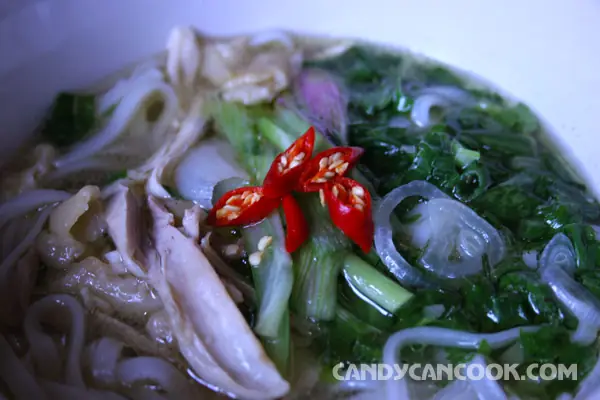
Chicken pho, or “Phở Gà” in Vietnamese, is a beloved noodle soup that embodies the essence of Vietnamese cuisine. Unlike its more famous beef counterpart, Phở Gà offers a lighter yet equally flavorful broth, often cherished for its delicate sweetness and aromatic herbs. The foundation of an authentic chicken pho lies in its clear, fragrant broth, meticulously simmered from chicken bones and a symphony of spices. This dish is not just food; it’s a comforting bowl that tells a story of tradition, family, and the vibrant flavors of Vietnam. Learning how to cook chicken pho in English opens up a world of culinary exploration for enthusiasts globally.
The beauty of chicken pho lies in its balanced flavors. The sweetness from the chicken, the warmth of ginger and star anise, the subtle spice from black peppercorns, and the freshness of various herbs all come together in a harmonious blend. It’s a versatile dish, perfect for any time of the day, offering both nutrition and comfort. Preparing it at home allows for customization, letting you adjust the spices and toppings to your personal preference, ensuring every bowl is a unique culinary journey. This detailed guide aims to simplify the process, making it accessible for anyone eager to master the art of Phở Gà.
Essential Ingredients for Authentic Phở Gà
Có thể bạn quan tâm: Hướng Dẫn Chi Tiết Cách Nấu Phở Gạo Lứt Thơm Ngon, Bổ Dưỡng
Crafting a delicious bowl of chicken pho begins with selecting the right ingredients. Each component plays a vital role in building the layered flavors that define this iconic Vietnamese soup. This section will outline all the necessary items, from the foundational broth elements to the fresh garnishes, ensuring you have everything you need for cách nấu phở gà bằng tiếng anh with an authentic taste. Sourcing fresh, high-quality ingredients is paramount for the best results, as they contribute significantly to the overall depth and richness of the dish.
For the Broth
The broth is the soul of any pho. A rich, clear, and aromatic chicken broth is key.
- Whole Chicken: Approximately 2.5-3 pounds (1.1-1.4 kg), preferably a free-range or organic chicken for richer flavor. This will be used for both meat and bones.
- Chicken Bones (optional): Add 1-2 pounds (0.45-0.9 kg) of extra chicken bones (necks, backs) for a more robust broth.
- Aromatics:
- 1 large yellow onion, halved or quartered
- 4-5 inches (10-12 cm) fresh ginger, sliced into 3-4 pieces
- 5-6 star anise pods
- 3-4 black cardamom pods
- 1 cinnamon stick (about 3 inches/7-8 cm)
- 1 teaspoon coriander seeds
- 1 teaspoon fennel seeds
- ½ teaspoon black peppercorns
- Seasoning:
- 2-3 tablespoons fish sauce (Nước Mắm)
- 1-2 tablespoons rock sugar (or granulated sugar)
- Salt to taste
For the Chicken
The cooked chicken from the broth will be shredded or sliced and added back to the soup.
- The cooked chicken from the broth preparation.
For the Noodles and Toppings
These elements complete the pho, adding texture, freshness, and bursts of flavor.
- Phở Noodles: 1 pound (450g) dried flat rice noodles (Bánh Phở).
- Fresh Herbs:
- Fresh cilantro (ngò rí), chopped
- Green onions (hành lá), thinly sliced
- Thai basil (húng quế), a handful of leaves
- Sawtooth herb (ngò gai), optional, but highly recommended
- Other Toppings:
- Bean sprouts (giá đỗ)
- Lime wedges
- Sliced chili peppers (e.g., bird’s eye chili)
- Hoisin sauce (tương đen)
- Sriracha sauce (tương ớt)
- Crispy fried shallots (hành phi), optional for extra crunch and aroma
Step-by-Step Cooking Guide: Mastering Chicken Pho
Có thể bạn quan tâm: Cách Nấu Phở Ngon Như Ngoài Hàng: Hướng Dẫn Chi Tiết Chuẩn Vị
Now that all your ingredients are prepared, let’s dive into the core of cách nấu phở gà bằng tiếng anh: the cooking process. Follow these steps carefully to ensure a flavorful and authentic Phở Gà experience. Precision in each stage, from charring aromatics to simmering the broth, contributes to the final exquisite taste. This recipe emphasizes traditional methods, aiming to capture the true essence of Vietnamese home cooking.
Step 1: Prepare the Broth Base
The broth is the foundation, requiring patience and attention to detail.
- Clean the Chicken: Rinse the whole chicken thoroughly under cold water. If using extra bones, rinse them as well.
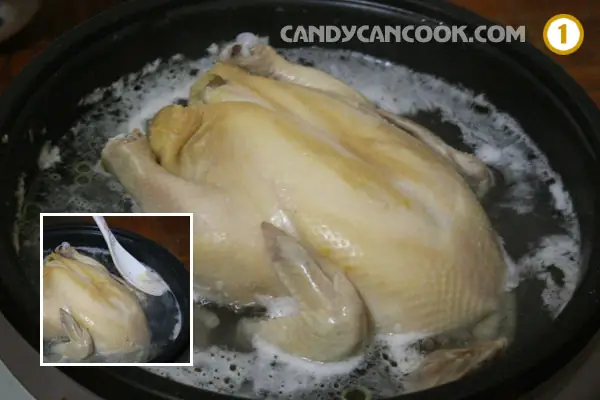
- Blanch the Chicken (Optional but Recommended): In a large pot, bring water to a rolling boil. Add the chicken and bones, boil for 5-10 minutes. This process helps remove impurities, leading to a clearer broth. Skim off any foam that rises to the surface. Drain the chicken and bones, rinse them again, and clean the pot.
- Char the Aromatics: While blanching, char the onion halves and ginger slices. You can do this directly over an open flame on a gas stove until slightly blackened and fragrant, or under a broiler. This step is crucial for developing a deep, smoky flavor.
- Toast the Spices: In a dry pan, gently toast the star anise, black cardamom, cinnamon stick, coriander seeds, fennel seeds, and black peppercorns over medium heat until fragrant, about 2-3 minutes. Be careful not to burn them.
- Simmer the Broth: Place the blanched chicken, bones (if using), charred onion, and ginger into the clean large pot. Add the toasted spices (you can put them in a spice bag or cheesecloth for easy removal). Add enough cold water to cover everything, typically 4-5 quarts (4-5 liters). Bring to a boil, then immediately reduce heat to a low simmer.
- Skim and Simmer: Skim off any remaining impurities or foam that rises during the first hour of simmering. Continue to simmer the broth gently for at least 1.5-2 hours, or up to 3-4 hours for a richer flavor. The longer the simmer, the more developed the flavors will be. Avoid a rapid boil, as this can make the broth cloudy.
Step 2: Cook the Chicken
The chicken used for the broth will also be the main protein for your pho.
- Remove the Chicken: After about 1.5-2 hours of simmering (or when the chicken is cooked through but not falling apart), carefully remove the whole chicken from the pot. Let it cool on a cutting board.
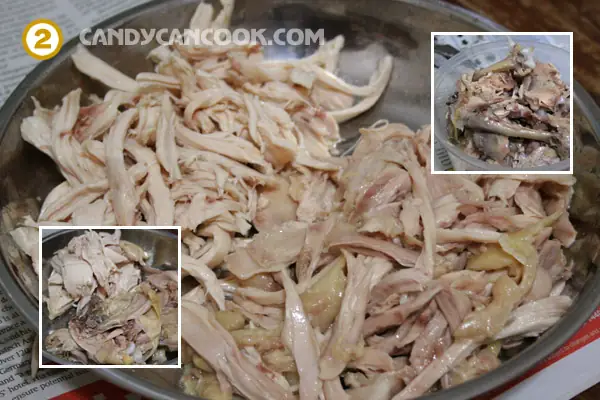
- Separate Meat: Once cool enough to handle, remove the chicken meat from the bones. You can shred it by hand or slice it thinly against the grain. Reserve the bones and skin to return to the broth for further simmering if desired, or discard them.
- Strain the Broth: Once the broth has simmered sufficiently, carefully strain it through a fine-mesh sieve or cheesecloth into another clean pot. Discard all solids (onions, ginger, spices, bones). This ensures a perfectly clear broth, a hallmark of authentic pho.
- Season the Broth: Return the strained broth to the stove. Bring it to a gentle simmer. Season with fish sauce, rock sugar, and salt to taste. The broth should be savory, slightly sweet, and well-balanced. Adjust seasonings until it’s just right. Remember that toppings like lime and sriracha will add more flavor later.
Step 3: Prepare Noodles and Toppings
While the broth is simmering, prepare the other components.
- Cook the Noodles: Follow the package instructions for your dried flat rice noodles. Typically, they need to be soaked in hot water for 20-30 minutes, then briefly boiled for 30-60 seconds until tender but still firm (al dente). Rinse immediately with cold water to stop the cooking process and prevent sticking. Drain well.
- Prepare Garnishes: Wash and chop cilantro and green onions. Wash Thai basil, sawtooth herb, and bean sprouts. Slice lime wedges and chili peppers. Arrange all garnishes neatly on a platter for easy serving. This is where cholaithieu.com offers fantastic tips on preparing fresh ingredients for various Vietnamese dishes, enhancing your cooking experience.
Step 4: Assemble and Serve
The final step is to bring all the elements together for a satisfying bowl of pho.
- Warm Bowls: Briefly dip serving bowls in hot water to warm them. This helps keep the pho hot longer.
- Layer Noodles: Place a generous portion of cooked rice noodles into each warmed bowl.
- Add Chicken: Arrange the shredded or sliced chicken on top of the noodles.
- Pour Broth: Ladle the hot, seasoned broth over the noodles and chicken. Ensure the broth is piping hot, as this helps to reheat the noodles and chicken perfectly.
- Garnish: Garnish generously with chopped cilantro, green onions, and a sprinkle of crispy fried shallots if using.
- Serve Immediately: Serve the pho immediately with the platter of fresh herbs, bean sprouts, lime wedges, and chili peppers on the side. Hoisin sauce and Sriracha can also be offered for those who prefer extra flavor and heat. Enjoy your homemade, authentic Phở Gà!
Tips for a Perfect Chicken Pho
Achieving a restaurant-quality bowl of chicken pho at home is entirely possible with a few key considerations. Beyond simply following the steps for cách nấu phở gà bằng tiếng anh, these tips delve into the nuances that elevate a good pho to a great one. From selecting the best ingredients to refining your broth, these insights will help you master the art of this beloved Vietnamese noodle soup, ensuring a rich and satisfying culinary experience.
Selecting Quality Ingredients
The foundation of any great dish lies in its ingredients. For pho, this is especially true.
* Choose a good quality whole chicken: A free-range or organic chicken will yield a much richer and more flavorful broth compared to conventional chickens. Look for chickens with a good amount of fat, as this contributes to the broth’s richness.
* Fresh Aromatics: Always use fresh ginger and onions. The charring step is crucial, so ensure they are good quality.
* High-Quality Spices: Use whole spices and toast them just before simmering to unlock their maximum fragrance and flavor. Older, ground spices lose their potency quickly.
* Authentic Fish Sauce: Invest in a good quality Vietnamese fish sauce (Nước Mắm). It makes a significant difference in the broth’s umami depth.
Broth Enhancement Techniques
A truly outstanding pho broth is a labor of love.
* Double Blanching: If you have time, blanching the chicken twice can further remove impurities and result in an exceptionally clear broth. The first blanch removes initial scum, and a quick second rinse ensures minimal cloudiness.
* Slow Simmer: Avoid boiling the broth vigorously. A gentle simmer over low heat is essential. Rapid boiling emulsifies fats and proteins, leading to a cloudy broth. The low and slow method extracts maximum flavor without compromising clarity.
* Seasoning in Layers: Don’t just dump all the seasoning at once. Add fish sauce, sugar, and salt gradually, tasting and adjusting until the broth reaches a perfect balance. The ideal pho broth should be flavorful enough on its own but also complement the chicken and noodles. According to culinary experts at “Vietnamese Cuisine Weekly,” achieving the perfect broth balance is a testament to the chef’s patience and palate.
* Roasting Bones (Optional): For an even deeper flavor, you can roast the chicken bones in the oven until lightly browned before blanching and simmering. This adds a roasted depth that can elevate the broth.
Serving Suggestions
The presentation and accompaniments are just as important as the pho itself.
* Warm Your Bowls: Always warm your serving bowls before ladling in the pho. This prevents the soup from cooling down too quickly and ensures every spoonful is enjoyed at the optimal temperature.
* Fresh Herb Platter: Offer a generous and diverse platter of fresh herbs and garnishes. This allows each diner to customize their bowl, adding layers of freshness, crunch, and spice. Include plenty of bean sprouts, lime, chili, and various basil types.
* Condiment Options: While an authentic pho broth is perfect on its own, providing hoisin sauce and sriracha allows for personal preference. Some prefer a sweeter or spicier kick, and these condiments cater to those tastes. Historical records suggest that the availability of customizable condiments became more prevalent as pho evolved and adapted to diverse palates.
Cultural Significance of Pho
Phở, in all its variations, holds a profound place in Vietnamese culture. It’s more than just a meal; it’s a symbol of national identity, a comfort food, and a daily ritual for millions. Phở Gà, with its lighter chicken-based broth, offers a distinct yet equally cherished experience. The act of preparing and sharing pho is often a communal one, bringing families and friends together. Its presence on street corners, in bustling markets, and in upscale restaurants speaks to its universal appeal across all social strata in Vietnam and globally.
The aroma of pho spices wafting through the air is instantly recognizable and evokes a sense of home and tradition. Many Vietnamese immigrants abroad find solace and connection to their roots through making and eating pho, including learning cách nấu phở gà bằng tiếng anh to pass down the tradition. It represents resilience, adaptability, and the enduring spirit of Vietnamese people. This deep cultural resonance adds another layer of appreciation to every bowl, turning a simple meal into a meaningful experience.
Common Mistakes to Avoid When Cooking Chicken Pho
Even with a detailed guide on how to cook chicken pho in English, certain pitfalls can lead to a less-than-perfect result. Being aware of these common mistakes can save you time and ensure your efforts culminate in a truly delicious bowl of Phở Gà. Avoiding these errors is crucial for maintaining the delicate balance of flavors and the clear broth that are hallmarks of authentic Vietnamese pho. Many renowned chefs agree that attention to these details separates good pho from exceptional pho.
- Not Blanching the Chicken: Skipping the blanching step is a common mistake that can result in a cloudy broth with a less clean taste. Blanching removes impurities and unwanted scum, which is essential for pho’s characteristic clear broth.
- Boiling the Broth Too Vigorously: A rapid boil will agitate the fats and proteins, making your broth murky and potentially affecting its delicate flavor. Always maintain a gentle simmer. Patience is key when simmering broth; rush it, and you compromise clarity and depth.
- Overcooking the Chicken: While the chicken is used for the broth, if it’s left to simmer for too long, it can become dry and stringy. Remove the whole chicken once it’s cooked through (around 1.5-2 hours) to retain its tenderness, and then return the bones to the pot if you wish to continue simmering the broth for a deeper flavor.
- Forgetting to Toast Spices: Toasting the whole spices (star anise, cinnamon, etc.) brings out their essential oils and intensifies their aroma. Without this step, your broth might lack the complex, warm fragrance that defines pho.
- Not Seasoning Properly: Pho broth requires a careful balance of sweet, savory, and umami. Don’t be afraid to taste and adjust the seasoning with fish sauce, rock sugar, and salt throughout the simmering process. A bland broth will result in a bland pho, no matter how good the other components are.
- Using Old or Stale Ingredients: The freshness of herbs and quality of other ingredients like noodles can significantly impact the final taste. Stale spices or wilted herbs will diminish the overall aroma and vibrancy of your pho.
By being mindful of these common missteps, you can ensure your homemade chicken pho is as authentic and delicious as possible, making your efforts in learning cách nấu phở gà bằng tiếng anh truly worthwhile.
Frequently Asked Questions About Cooking Chicken Pho
Cooking a traditional Vietnamese dish like Phở Gà often raises questions, especially when learning cách nấu phở gà bằng tiếng anh for the first time. This section addresses some of the most common queries, providing additional clarity and tips to help you perfect your chicken pho. Understanding these nuances can significantly enhance your cooking process and the final outcome of your delicious noodle soup.
Q: Can I use chicken pieces instead of a whole chicken for the broth?
A: Yes, you can. Using chicken pieces like backs, necks, and wings can still yield a flavorful broth. However, a whole chicken typically provides a richer, more balanced flavor profile due to the variety of bones and meat. If using pieces, ensure you have enough bones for depth of flavor.
Q: How do I achieve a perfectly clear broth?
A: Several factors contribute to a clear broth:
* Blanching: Always blanch the chicken and bones first to remove impurities.
* Gentle Simmer: Maintain a very low, gentle simmer. Avoid vigorous boiling.
* Skimming: Regularly skim off any foam or scum that rises to the surface during the initial stages of simmering.
* Straining: Strain the finished broth through a fine-mesh sieve or cheesecloth to remove all solids.
Q: What if I don’t have all the specific spices (e.g., black cardamom, sawtooth herb)?
A: While specific spices like black cardamom and sawtooth herb contribute to the authentic flavor, you can still make a delicious pho without them. Star anise, cinnamon, and ginger are the most crucial. For herbs, fresh cilantro and green onions are essential. You can often find these specialty ingredients at Asian grocery stores.
Q: Can I make the broth ahead of time?
A: Absolutely! Pho broth is an excellent make-ahead component. Prepare the broth, strain it, let it cool completely, and then store it in the refrigerator for up to 3-4 days or freeze it for up to 3 months. This actually allows the flavors to meld even more deeply. When ready to serve, simply reheat the broth.
Q: How do I store leftover pho?
A: It’s best to store the broth, cooked chicken, and noodles separately. The broth can be refrigerated or frozen. The chicken can be stored in an airtight container in the fridge. Cooked noodles tend to get mushy if stored in the broth, so keep them separate. Reheat the broth, then briefly refresh the noodles in hot water before assembling.
Q: Is rock sugar necessary, or can I use regular sugar?
A: Rock sugar is traditionally used for its subtle sweetness and ability to make the broth clearer. However, if you don’t have it, regular granulated sugar can be used as a substitute. Start with a smaller amount and adjust to taste, as granulated sugar can be sweeter.
These FAQs aim to clear up common uncertainties, empowering you to confidently embark on your journey of preparing authentic Phở Gà using this guide for cách nấu phở gà bằng tiếng anh.
Tự tay chế biến một tô phở gà chuẩn vị tại nhà không chỉ là một trải nghiệm nấu ăn thú vị mà còn là cách tuyệt vời để thưởng thức hương vị tinh túy của ẩm thực Việt Nam. Với hướng dẫn cách nấu phở gà bằng tiếng anh chi tiết này, bạn có thể tự tin tạo ra một món ăn không chỉ ngon miệng mà còn mang đậm bản sắc văn hóa. Hãy kiên nhẫn, tận hưởng quá trình và để hương thơm của món phở gà lan tỏa khắp căn bếp của bạn. Chắc chắn rằng, thành quả cuối cùng sẽ là một tô phở ấm áp, đầy hương vị, mang đến sự hài lòng cho cả người nấu và người thưởng thức.