Món Ngon
Hướng Dẫn Nấu Mì Gói Bằng Tiếng Anh: Đơn Giản, Ngon Miệng
Trong cuộc sống hiện đại, mì gói đã trở thành một món ăn nhanh chóng, tiện lợi và quen thuộc với hầu hết mọi người trên toàn thế giới. Từ sinh viên bận rộn đến những người làm việc không có nhiều thời gian, mì gói luôn là lựa chọn hàng đầu khi cần một bữa ăn cấp tốc. Tuy nhiên, việc học cách nấu mì gói bằng tiếng Anh không chỉ đơn thuần là biết các bước thực hiện mà còn là cơ hội để nâng cao vốn từ vựng ẩm thực, giao tiếp với bạn bè quốc tế hoặc đơn giản là tự tin hơn khi tìm kiếm công thức nấu ăn trên các trang mạng nước ngoài. Bài viết này của chúng tôi sẽ cung cấp một hướng dẫn toàn diện, từ chuẩn bị nguyên liệu đến các bước nấu chi tiết và những mẹo nhỏ để món mì gói của bạn trở nên hấp dẫn hơn, tất cả đều được trình bày rõ ràng bằng tiếng Anh kèm giải thích tiếng Việt.
Tại Sao Nên Học Cách Nấu Mì Gói Bằng Tiếng Anh?
Có thể bạn quan tâm: Cách Nấu Mì Gói Khô Ngon: Công Thức Đơn Giản, Hương Vị Đậm Đà
Việc nắm vững cách nấu mì gói bằng tiếng Anh mang lại nhiều lợi ích thiết thực, không chỉ trong khía cạnh ẩm thực mà còn trong việc phát triển kỹ năng ngôn ngữ và sự hiểu biết về văn hóa. Đây là một kỹ năng nhỏ nhưng hữu ích, mở ra nhiều cánh cửa trong giao tiếp và học tập.
Lợi ích trong giao tiếp và học tập
Khi bạn biết cách diễn đạt các bước nấu ăn bằng tiếng Anh, bạn sẽ dễ dàng chia sẻ công thức yêu thích của mình với bạn bè quốc tế hoặc hướng dẫn họ tự làm món ăn này. Điều này đặc biệt hữu ích nếu bạn đang sinh sống hoặc du học ở nước ngoài, nơi việc nấu ăn tại nhà là một phần quan trọng của cuộc sống. Bên cạnh đó, việc thực hành miêu tả một quy trình đơn giản như nấu mì gói bằng tiếng Anh giúp củng cố cấu trúc câu, từ vựng liên quan đến hành động (đun sôi, thêm vào, khuấy) và dụng cụ nhà bếp. Theo một nghiên cứu của Đại học Cambridge, việc học ngôn ngữ qua các hoạt động thực tế như nấu ăn có thể tăng cường khả năng ghi nhớ từ vựng và cải thiện sự tự tin trong giao tiếp hàng ngày.
Khám phá văn hóa ẩm thực toàn cầu
Mì gói không chỉ là một món ăn phổ biến ở Việt Nam mà còn là biểu tượng ẩm thực của nhiều quốc gia khác như Hàn Quốc, Nhật Bản, Thái Lan và Indonesia. Mỗi quốc gia lại có những thương hiệu mì gói đặc trưng và cách chế biến riêng biệt. Khi bạn có thể đọc hiểu các hướng dẫn trên bao bì sản phẩm nhập khẩu hoặc tìm kiếm các công thức “instant ramen recipe” trên internet bằng tiếng Anh, bạn sẽ có cơ hội khám phá sự đa dạng phong phú của thế giới mì gói. Từ những món mì cay nồng của Hàn Quốc đến mì udon thanh đạm của Nhật, việc hiểu ngôn ngữ sẽ giúp bạn trải nghiệm và cảm nhận sâu sắc hơn về văn hóa ẩm thực mà không gặp bất kỳ rào cản nào. Trang cholaithieu.com cũng thường xuyên chia sẻ những công thức độc đáo từ khắp nơi, góp phần làm phong phú thêm kiến thức ẩm thực của người đọc.
Chuẩn Bị Nguyên Liệu và Dụng Cụ: Từ Vựng Tiếng Anh Cần Thiết
Có thể bạn quan tâm: Hướng Dẫn Cách Nấu Mì Gói Ngon Nhất Chuẩn Vị Tại Nhà
Để thực hiện món mì gói ngon miệng, việc chuẩn bị đầy đủ nguyên liệu và dụng cụ là bước đầu tiên và quan trọng nhất. Đây cũng là cơ hội tuyệt vời để bạn làm quen với các từ vựng tiếng Anh thông dụng trong nhà bếp.
Các loại mì gói phổ biến (Instant Noodles)
Khi nói đến mì gói, chúng ta thường nghĩ ngay đến “instant noodles” hoặc “ramen” (đặc biệt là các loại mì có nguồn gốc từ Nhật Bản và Hàn Quốc). Trên thị trường có vô số chủng loại với hương vị đa dạng:
* Packet noodles / Cup noodles: Mì gói dạng gói hoặc dạng ly.
* Spicy noodles: Mì cay.
* Seafood noodles: Mì hải sản.
* Kimchi noodles: Mì kim chi.
* Vegetable noodles: Mì rau củ.
* Chicken/Beef flavored noodles: Mì hương vị gà/bò.
Việc chọn lựa loại mì phù hợp với khẩu vị là yếu tố quyết định tạo nên một bữa ăn ngon. Mỗi gói mì thường đi kèm với các gói gia vị nhỏ, gọi là “seasoning packets” hoặc “flavor packets,” bao gồm bột nêm (“seasoning powder”), gói dầu (“oil packet”) và có thể là rau sấy khô (“dried vegetable flakes”).
Nguyên liệu bổ sung (Add-ons)
Để món mì gói thêm phần dinh dưỡng và hấp dẫn, bạn có thể thêm vào nhiều loại nguyên liệu khác. Đây là một số từ vựng hữu ích:
* Eggs: Trứng (poached egg – trứng chần, boiled egg – trứng luộc, fried egg – trứng ốp la).
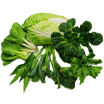
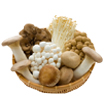
* Vegetables: Rau củ (bok choy – cải thìa, spinach – cải bó xôi, carrots – cà rốt, mushrooms – nấm, green onions/scallions – hành lá).
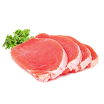
* Meat/Poultry: Thịt/Gia cầm (sliced beef – thịt bò thái lát, chicken breast – ức gà, sausages – xúc xích).
* Seafood: Hải sản (shrimp – tôm, fish cakes – chả cá, squid – mực).
* Condiments: Gia vị bổ sung (chili oil – dầu ớt, soy sauce – nước tương, sesame oil – dầu mè, vinegar – giấm).
Thêm các nguyên liệu này không chỉ làm tăng hương vị mà còn cân bằng dinh dưỡng, biến một món mì gói đơn giản thành một bữa ăn đầy đủ và phong phú.
Dụng cụ nấu ăn (Cooking Utensils)
Để bắt đầu quá trình nấu, bạn sẽ cần một vài dụng cụ cơ bản trong bếp. Dưới đây là danh sách các dụng cụ và tên gọi tiếng Anh của chúng:
* Pot: Nồi (dùng để đun nước và nấu mì).
* Stove/Hot plate: Bếp (điện hoặc ga).
* Water: Nước.
* Chopsticks/Fork: Đũa/Nĩa (để ăn).
* Spoon: Thìa (để nếm nước dùng hoặc ăn topping).
* Bowls: Bát/Tô (để đựng mì đã nấu).
* Ladle: Muỗng lớn/vá (để múc nước dùng).
* Colander/Strainer: Rổ/Dụng cụ lọc (nếu bạn muốn chắt nước).
Những dụng cụ này đều rất phổ biến và dễ tìm thấy trong bất kỳ căn bếp nào. Việc gọi tên chúng bằng tiếng Anh sẽ giúp bạn tự tin hơn khi trao đổi về việc nấu ăn với người nước ngoài.
Hướng Dẫn Chi Tiết Cách Nấu Mì Gói Bằng Tiếng Anh (Bước-bước)
Có thể bạn quan tâm: Cách Nấu Mì Gạo Hàn Quốc Ngon Chuẩn Vị Tại Nhà
Đây là phần cốt lõi của bài viết, nơi chúng tôi sẽ hướng dẫn bạn cách nấu mì gói bằng tiếng Anh một cách chi tiết và dễ hiểu nhất. Việc nắm vững các câu lệnh và từ vựng trong phần này sẽ giúp bạn tự tin khi thực hiện hoặc hướng dẫn người khác nấu món ăn này.
Bước 1: Chuẩn bị nước (Prepare Water)
The first step is to prepare the water.
* Vietnamese Explanation: Bước đầu tiên là chuẩn bị nước.
* English Instruction: “Pour about 500-550 ml of water into a pot.” (Đổ khoảng 500-550 ml nước vào nồi.)
* Key Vocabulary: Pour (đổ), water (nước), pot (nồi).
* Tip: The exact amount of water can vary depending on the specific instant noodle brand and your preference for a richer or lighter broth. Always check the package instructions for the recommended water volume. For example, some Korean ramens prefer less water for a thicker soup.
Bước 2: Đun sôi nước (Boil Water)
Once the water is in the pot, you need to bring it to a boil.
* Vietnamese Explanation: Sau khi có nước trong nồi, bạn cần đun sôi nước.
* English Instruction: “Place the pot on the stove and turn on the heat to high. Bring the water to a rolling boil.” (Đặt nồi lên bếp và bật lửa lớn. Đun nước đến khi sôi sùng sục.)
* Key Vocabulary: Place (đặt), stove (bếp), turn on the heat (bật lửa), bring to a rolling boil (đun sôi sùng sục).
* Important Note: Boiling water quickly is essential for the next steps. Some sources suggest that using filtered water can subtly improve the taste of your ramen broth, though this is a matter of personal preference.
Bước 3: Cho mì vào nồi (Add Noodles)
When the water is boiling, it’s time to add the noodles.
* Vietnamese Explanation: Khi nước đã sôi, đã đến lúc cho mì vào nồi.
* English Instruction: “Carefully put the instant noodles into the boiling water. You can break the noodle block in half if the pot is too small.” (Cẩn thận cho mì gói vào nước sôi. Bạn có thể bẻ đôi vắt mì nếu nồi quá nhỏ.)
* Key Vocabulary: Carefully (cẩn thận), put into (cho vào), noodle block (vắt mì), break in half (bẻ đôi).
* Consideration: Some people prefer to add their seasoning packets at this stage, while others wait. The timing can subtly affect the flavor infusion into the noodles themselves. This step marks the beginning of the actual cooking process, and from here, speed is often key to achieving the desired noodle texture.
Bước 4: Thêm gia vị (Add Seasoning)
Now, it’s time to enhance the flavor with the seasoning.
* Vietnamese Explanation: Bây giờ là lúc tăng cường hương vị với gia vị.
* English Instruction: “Open the seasoning packets (powder, oil, dried vegetables) and add them to the pot. Stir gently to mix everything well.” (Mở các gói gia vị (bột nêm, dầu, rau sấy khô) và cho vào nồi. Khuấy nhẹ để mọi thứ hòa quyện.)
* Key Vocabulary: Open (mở), seasoning packets (gói gia vị), add to (thêm vào), stir gently (khuấy nhẹ), mix well (trộn đều).
* Customization: This is where you can start customizing your instant noodle recipe. If you prefer a less salty taste, you might only add half of the seasoning powder. If you enjoy spicy food, you can add extra chili flakes at this point. A common practice, cited by many cooking enthusiasts, is to crush the dried vegetable flakes a bit before adding them to ensure even distribution.
Bước 5: Nấu và thưởng thức (Cook and Enjoy)
The final step is to cook the noodles to your preferred texture and then serve.
* Vietnamese Explanation: Bước cuối cùng là nấu mì đến độ chín mong muốn rồi thưởng thức.
* English Instruction: “Let the noodles cook for 2-3 minutes, or according to the package instructions, stirring occasionally. Once the noodles are tender but still slightly firm (al dente), turn off the heat. Pour the cooked noodles and broth into a bowl. You can add any additional toppings like a fried egg or chopped green onions. Serve immediately and enjoy your delicious instant noodles!” (Để mì nấu trong 2-3 phút, hoặc theo hướng dẫn trên bao bì, thỉnh thoảng khuấy. Khi mì đã mềm nhưng vẫn còn hơi dai, tắt bếp. Đổ mì đã nấu và nước dùng vào bát. Bạn có thể thêm bất kỳ nguyên liệu bổ sung nào như trứng ốp la hoặc hành lá thái nhỏ. Dùng ngay và thưởng thức món mì gói thơm ngon của bạn!)
* Key Vocabulary: Cook for (nấu trong), according to package instructions (theo hướng dẫn trên bao bì), stirring occasionally (thỉnh thoảng khuấy), tender (mềm), slightly firm / al dente (hơi dai), turn off the heat (tắt bếp), pour into a bowl (đổ vào bát), additional toppings (nguyên liệu bổ sung), serve immediately (dùng ngay), enjoy (thưởng thức).
* Expert Tip: Many chefs recommend not overcooking instant noodles, as they can become mushy. The “al dente” texture, which means “to the tooth” in Italian, is often preferred for a more satisfying mouthfeel. This detailed step-by-step guide ensures that anyone can master the art of preparing instant noodles in English, transforming a simple meal into an enjoyable culinary experience.
Các Biến Tấu Nâng Tầm Món Mì Gói (Advanced Instant Noodle Recipes)
Mì gói, với tính linh hoạt của nó, không chỉ dừng lại ở việc nấu đơn giản. Bạn hoàn toàn có thể biến tấu để tạo ra những món ăn phức tạp và hấp dẫn hơn, nâng tầm bữa ăn hàng ngày. Đây là những ý tưởng giúp bạn khám phá các “instant noodle recipe” sáng tạo.
Thêm trứng và rau xanh (Eggs and Vegetables)
Incorporating eggs and fresh vegetables is one of the simplest yet most effective ways to upgrade your instant noodles, making them more nutritious and visually appealing. You can add an egg directly into the boiling broth about 1-2 minutes before the noodles are done for a poached effect, or fry it separately and place it on top. Fresh green leafy vegetables like bok choy or spinach can be added during the last minute of cooking to retain their crispness and vibrant color. This not only boosts the vitamin content but also adds a refreshing texture contrast to the soft noodles. A dash of chopped spring onions or cilantro as a garnish can also elevate the aroma and presentation.
Kết hợp thịt và hải sản (Meat and Seafood Combinations)
To transform your instant noodles into a hearty meal, consider adding various sources of protein such as thinly sliced beef, chicken breast, or an assortment of seafood. Sautéing these ingredients separately with a little garlic and soy sauce before adding them to the cooked noodles can significantly enhance the flavor profile of the entire dish. For instance, a quick stir-fry of shrimp and squid can be folded into the ramen just before serving, providing a rich umami flavor. Many culinary blogs, including those focusing on quick meals, often highlight such additions as key to a truly satisfying ramen experience, moving beyond the basic instant noodle recipe.
Tạo nước dùng phong phú hơn (Enhance the Broth)
The broth is the soul of any noodle dish, and for instant noodles, it can be easily customized beyond the provided seasoning packets. Instead of just water, you can use chicken or vegetable stock as the base. Adding a spoonful of miso paste, a splash of soy sauce, a hint of sesame oil, or even a dollop of peanut butter (for a Thai-inspired twist) can introduce layers of complex flavors. Fresh aromatics like minced ginger, garlic, or a slice of lime can also be simmered in the broth for a few minutes before adding the noodles to infuse deep, aromatic notes. This proactive step in enhancing the broth is what distinguishes a good bowl of instant noodles from an extraordinary one, offering a gourmet twist to a simple meal.
Mì gói xào (Stir-fried Instant Noodles)
Moving away from the traditional soup-based preparation, stir-fried instant noodles offer a completely different texture and flavor experience. First, boil the noodles until they are just tender, then drain them thoroughly. In a separate pan, stir-fry your choice of vegetables (carrots, bell peppers, cabbage), protein (chicken, tofu, eggs), and a sauce made from soy sauce, oyster sauce, and a touch of sugar. Finally, add the drained noodles to the pan and toss everything together until well combined and heated through. This method transforms the humble instant noodle into a vibrant, flavorful dish that rivals many restaurant offerings, showcasing the versatility of cách nấu mì gói bằng tiếng Anh beyond simple boiling.
Mẹo Vặt Để Nấu Mì Gói Ngon Hơn (Tips for Better Instant Noodles)
Việc nấu mì gói không chỉ là làm theo các bước cơ bản mà còn là áp dụng những mẹo vặt nhỏ để nâng cao hương vị và trải nghiệm ẩm thực. Đây là những “tips for better instant noodles” mà các đầu bếp tại gia thường áp dụng.
Thời gian nấu lý tưởng (Ideal Cooking Time)
The ideal cooking time is crucial for achieving the perfect texture. Most instant noodles require only 2-3 minutes of cooking once submerged in boiling water. Overcooking can make the noodles mushy and lose their desirable chewiness. Conversely, undercooking might leave them too firm. A good rule of thumb is to follow the package instructions precisely, but also to test a strand of noodle around the 2-minute mark. You want them to be “al dente,” meaning cooked through but still having a slight bite to them. This attention to detail ensures that the fundamental instant noodle recipe results in a satisfying culinary experience. Some experienced cooks even recommend removing the noodles slightly before they are fully done, as they will continue to cook slightly in the hot broth.
Điều chỉnh gia vị (Seasoning Adjustment)
The seasoning packets provided with instant noodles are often quite concentrated, and their full amount might be too salty or intense for some palates. It is highly recommended to start by adding only half to two-thirds of the seasoning powder and oil, then tasting the broth. You can always add more if needed, but it’s impossible to remove it once added. This allows you to customize the flavor profile to your preference, creating a broth that is perfectly balanced for you. For those who enjoy a richer flavor, adding a small amount of sesame oil or a dash of black pepper can also make a significant difference. According to a consumer survey on instant noodle consumption, over 60% of respondents adjust the seasoning to their taste.
Cách phục vụ chuyên nghiệp (Professional Serving)
Presentation matters, even for a simple bowl of instant noodles. To serve your noodles professionally, consider arranging your added toppings neatly on top of the noodles. For example, a perfectly poached or fried egg, slices of green onion, and a sprinkle of chili flakes can make the dish look much more appetizing. Use a nicely sized bowl that complements the portion, allowing for easy mixing without spillage. Some experts suggest warming your serving bowl beforehand, especially if you live in a cold climate, to keep the noodles hot for longer. This small detail elevates the entire dining experience, turning a quick meal into something more enjoyable and visually appealing, demonstrating a refined cách nấu mì gói bằng tiếng Anh.
Khám Phá Văn Hóa Mì Gói Khắp Thế Giới (Global Instant Noodle Culture)
Mì gói không chỉ là một món ăn tiện lợi mà còn là một phần không thể thiếu trong văn hóa ẩm thực của nhiều quốc gia, phản ánh lối sống và sự sáng tạo của con người. Từ những quầy hàng đường phố đến siêu thị lớn, mì gói đã khẳng định vị thế của mình trên bản đồ ẩm thực toàn cầu.
Mì gói trong đời sống sinh viên (Student Life Staple)
Across universities and colleges worldwide, instant noodles hold an almost legendary status as a “student life staple.” They are affordable, quick to prepare, and require minimal cooking equipment, making them ideal for students on a tight budget and schedule. In dorm rooms and shared apartments, students often get creative with their instant noodles, adding whatever ingredients they can find—from leftover chicken to canned vegetables—to make a more substantial meal. This improvisational approach to the instant noodle recipe not only saves money but also fosters a sense of culinary community among students. Many anecdotes and even academic papers highlight the role of instant noodles in supporting students through their academic years, demonstrating their cultural significance.
Sự đa dạng của các thương hiệu quốc tế (Diversity of International Brands)
The global market for instant noodles is incredibly diverse, with thousands of brands offering unique flavors and textures that reflect their national cuisines. For example, South Korea is famous for its spicy ramen varieties like Shin Ramyun, while Japan offers delicate udon and soba instant noodles. Thailand is known for its tom yum flavored noodles, and Indonesia boasts the world-renowned Indomie Mi Goreng, a stir-fried instant noodle dish. Exploring these different brands and their cách nấu mì gói bằng tiếng Anh provides a fascinating journey through global flavors. Each package often comes with specific cooking instructions tailored to its unique ingredients, encouraging consumers to try new things and expand their culinary horizons. This vast diversity underscores why mastering the English terms for preparing these dishes is so beneficial for international food enthusiasts.
Mì gói, dù là một món ăn đơn giản, lại ẩn chứa một thế giới đa dạng về hương vị và cách chế biến. Việc thành thạo cách nấu mì gói bằng tiếng Anh không chỉ giúp bạn tự tin hơn trong bếp mà còn mở ra cánh cửa đến với văn hóa ẩm thực phong phú của nhiều quốc gia. Từ việc chuẩn bị nguyên liệu đến những mẹo nhỏ để món mì thêm phần hấp dẫn, mỗi bước đều là cơ hội để bạn thực hành ngôn ngữ và nâng cao kỹ năng nấu nướng của mình. Hy vọng rằng, với những hướng dẫn chi tiết này, bạn sẽ luôn có những bữa ăn mì gói thơm ngon và đầy cảm hứng, sẵn sàng chia sẻ niềm đam mê ẩm thực của mình với bạn bè bốn phương.